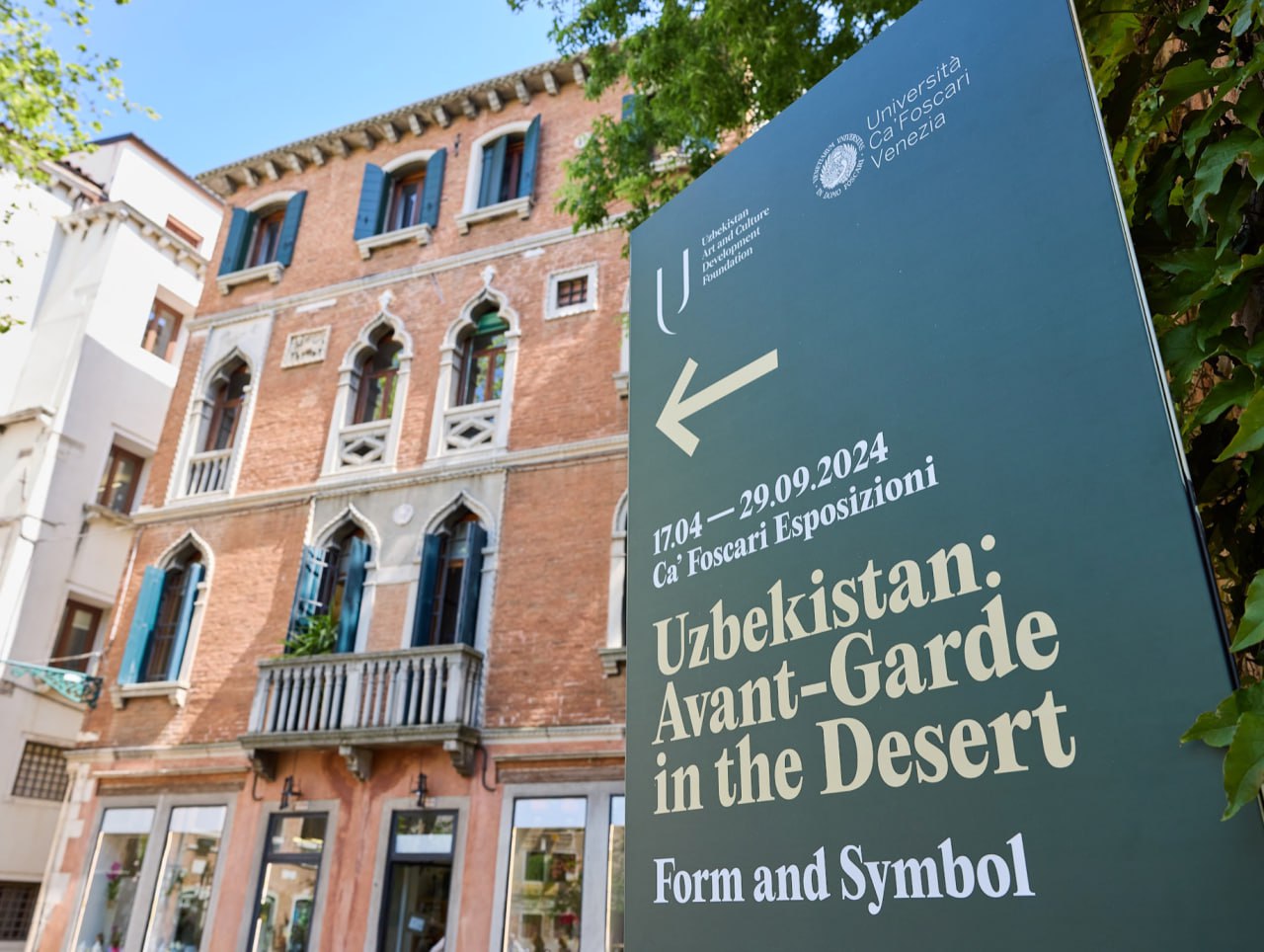
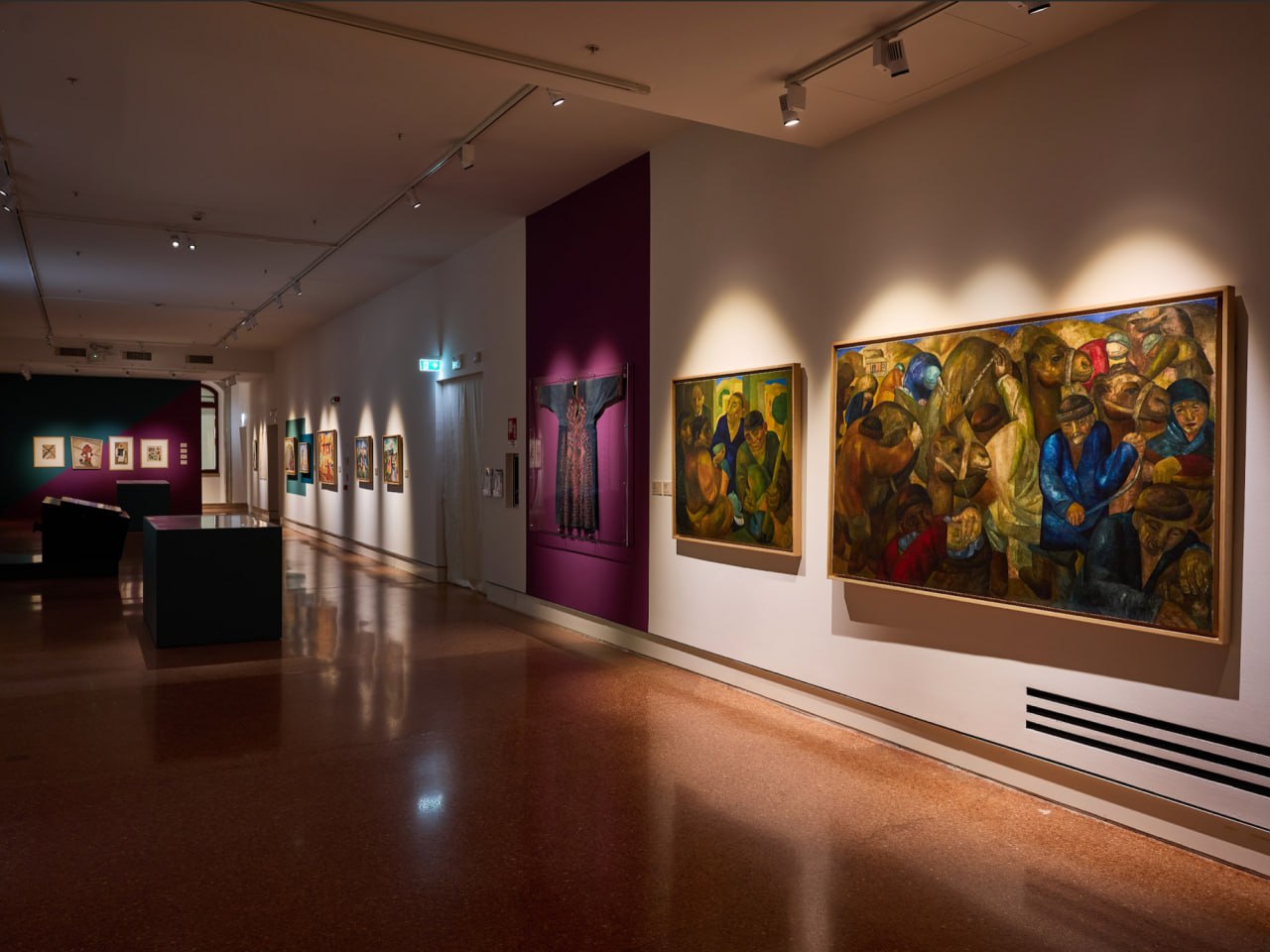
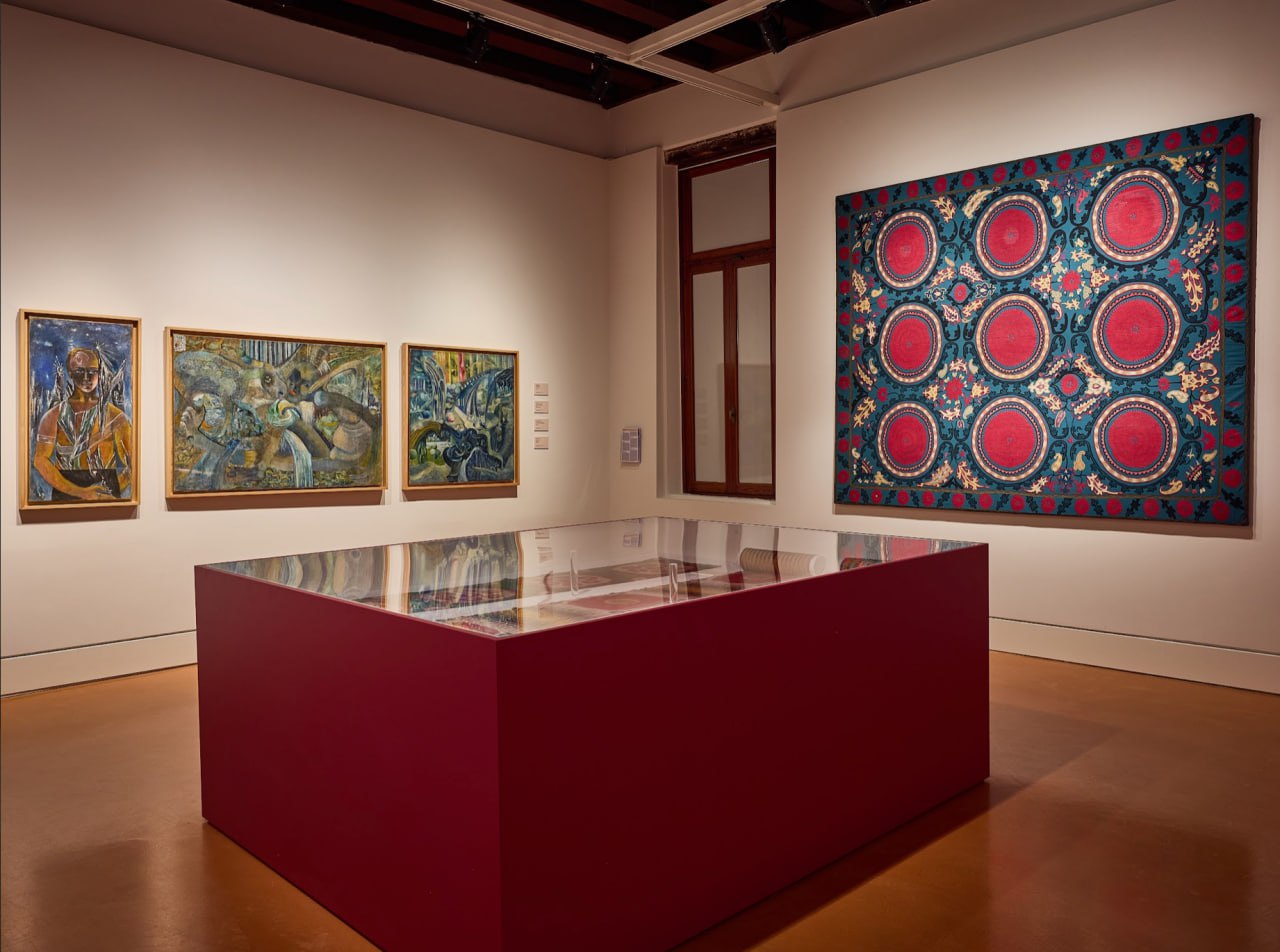
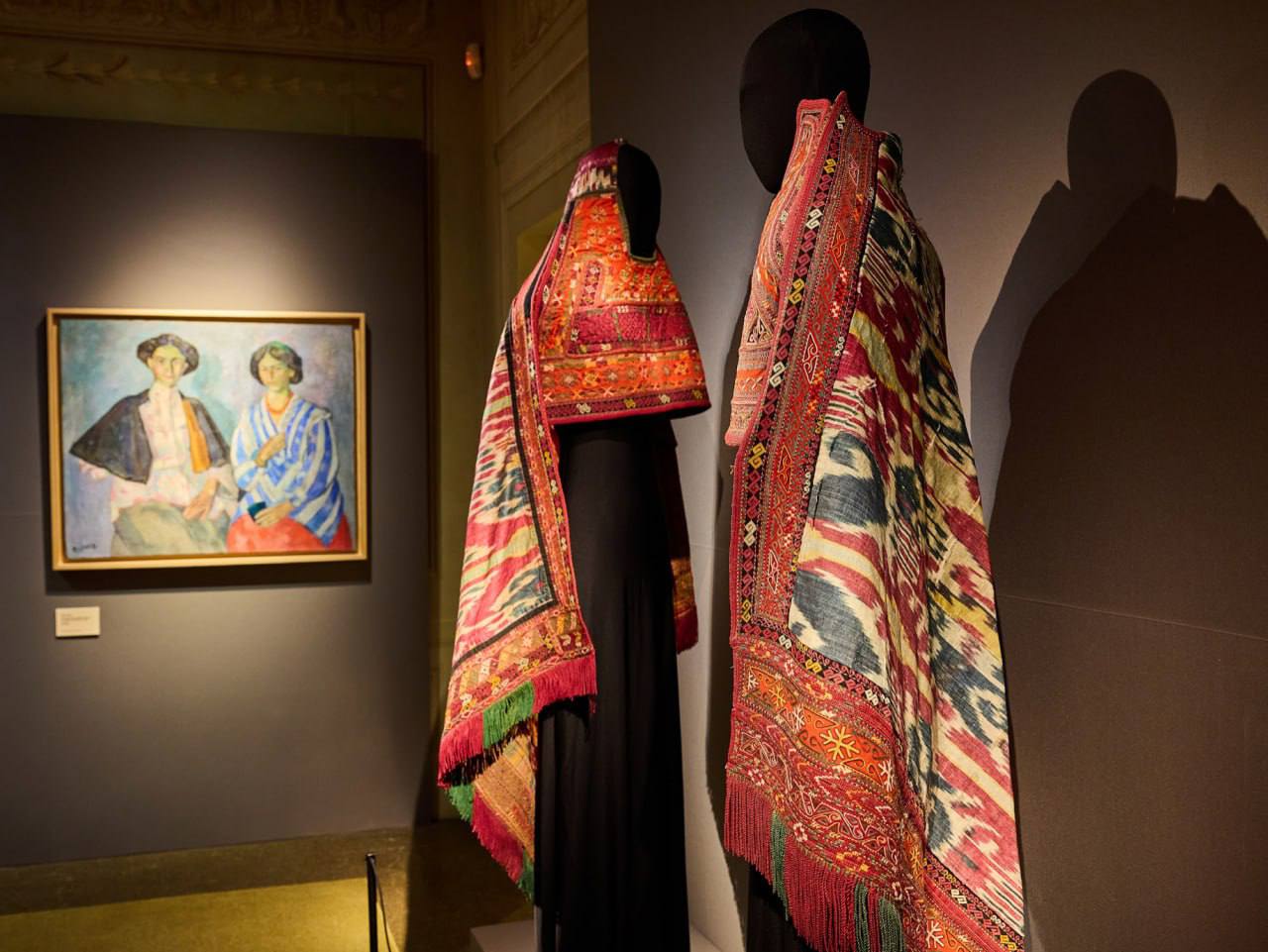
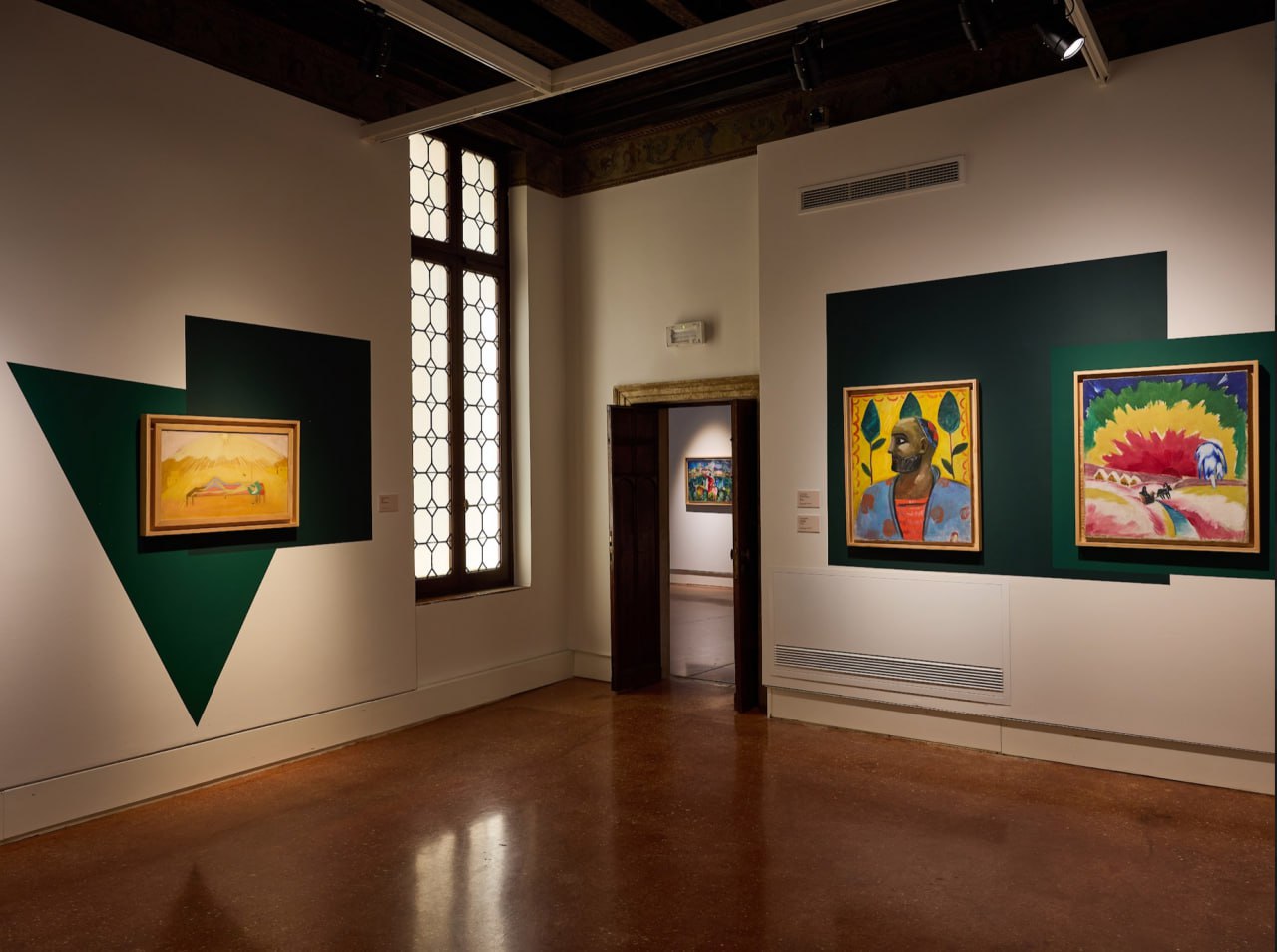
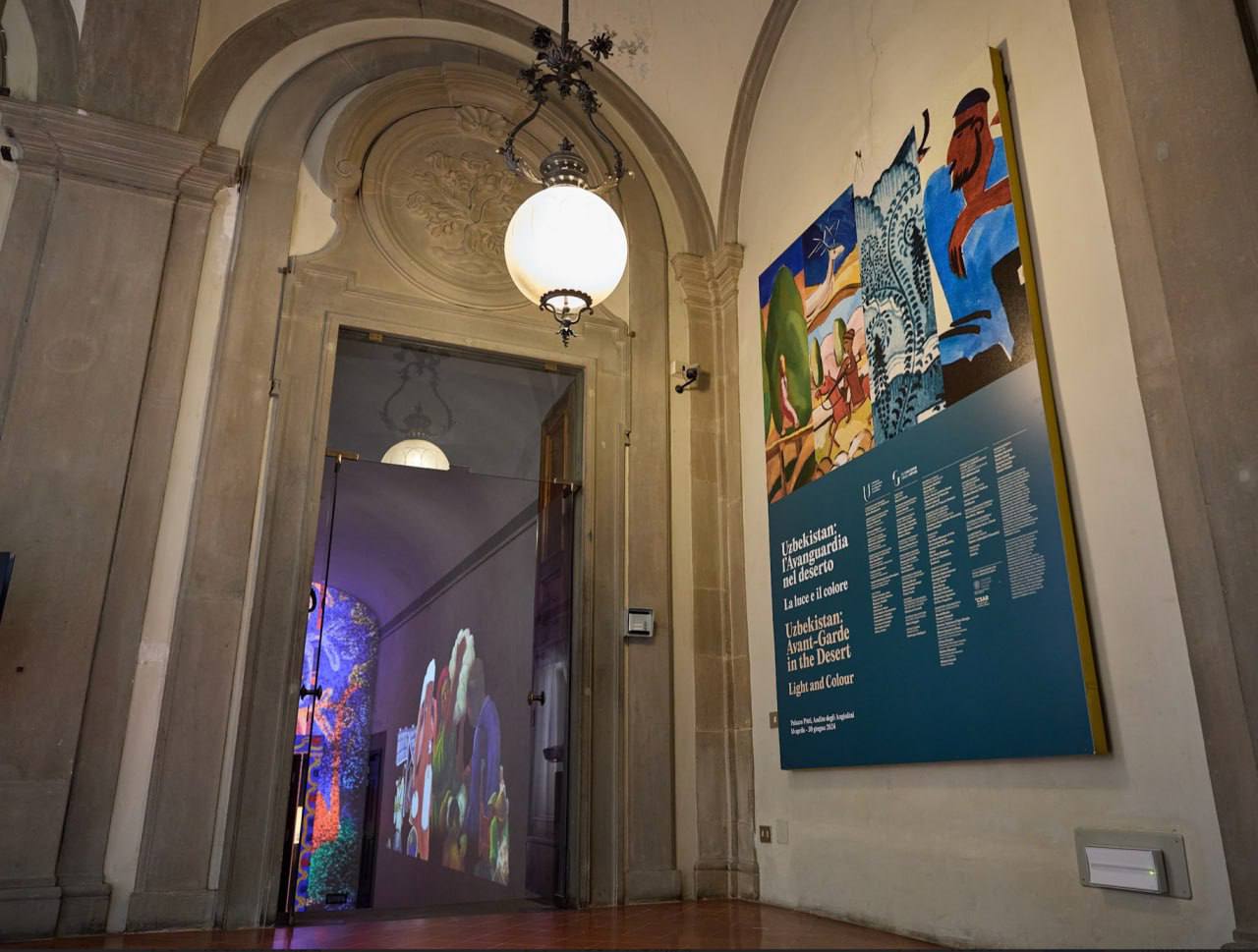
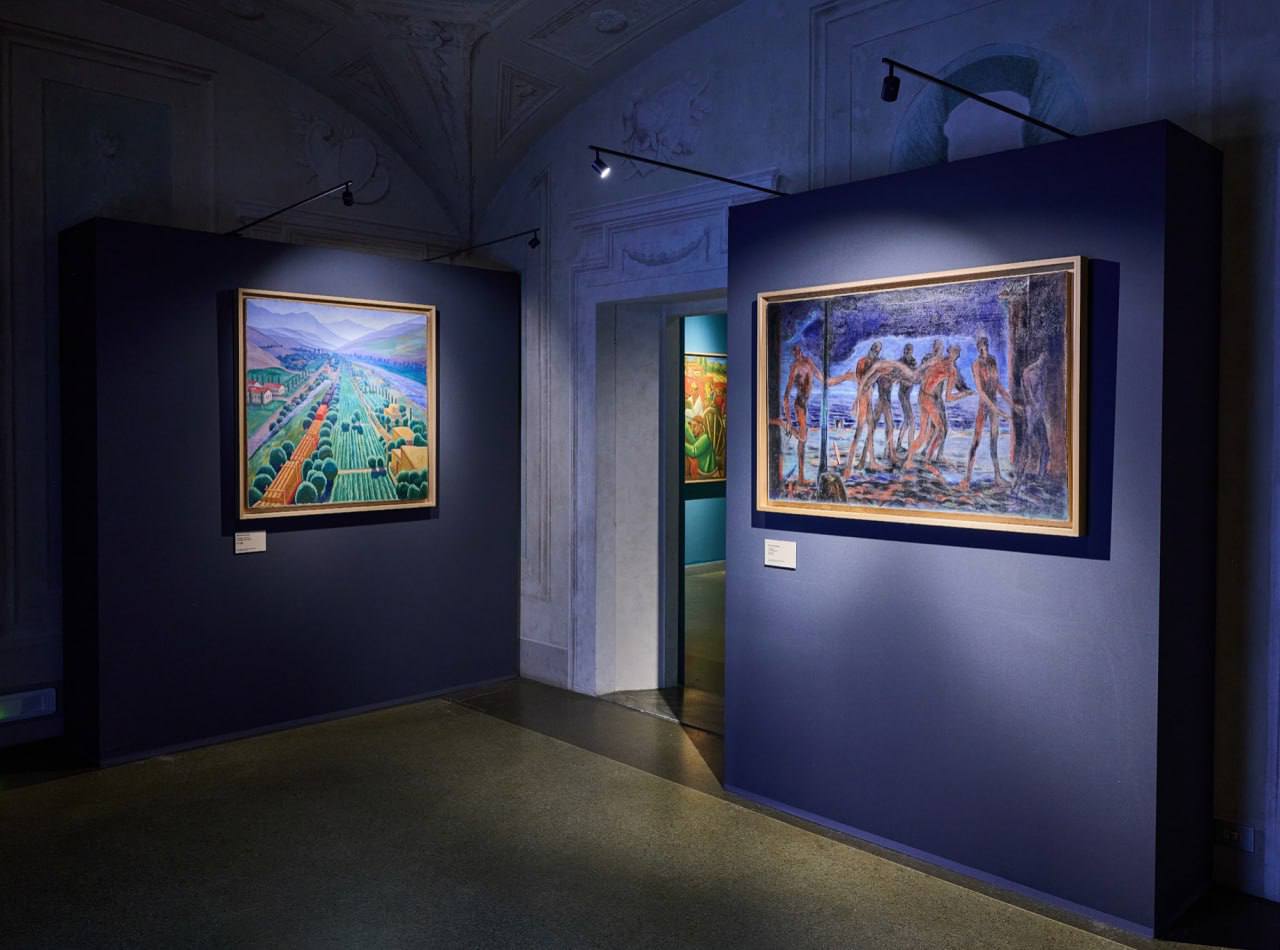
Following the presented exposition, visitors had the opportunity to explore one of the most significant international cultural projects of recent years — the exhibition “Uzbekistan: Avant-Garde in the Desert”, held in Italy in 2024, which attracted considerable interest from both the European public and the professional art community.
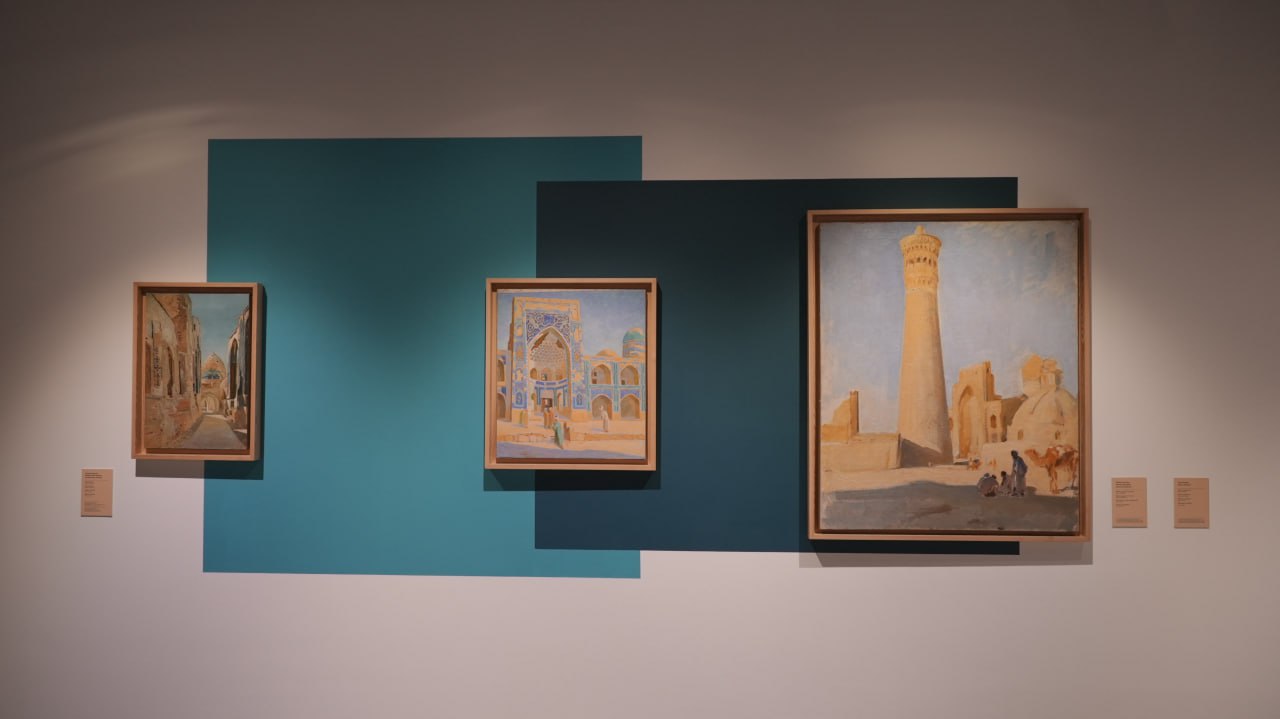
This large-scale exhibition became a vivid example of cultural dialogue between Uzbekistan and Europe, bringing together unique artworks, historical context, and contemporary curatorial approaches. The project was presented across two cities — in Venice, at the Ca’ Foscari University exhibition space (open until September 8, 2024), and in Florence, at the renowned Palazzo Pitti, where the section “Light and Color” was held from April 16 to June 30, 2024.
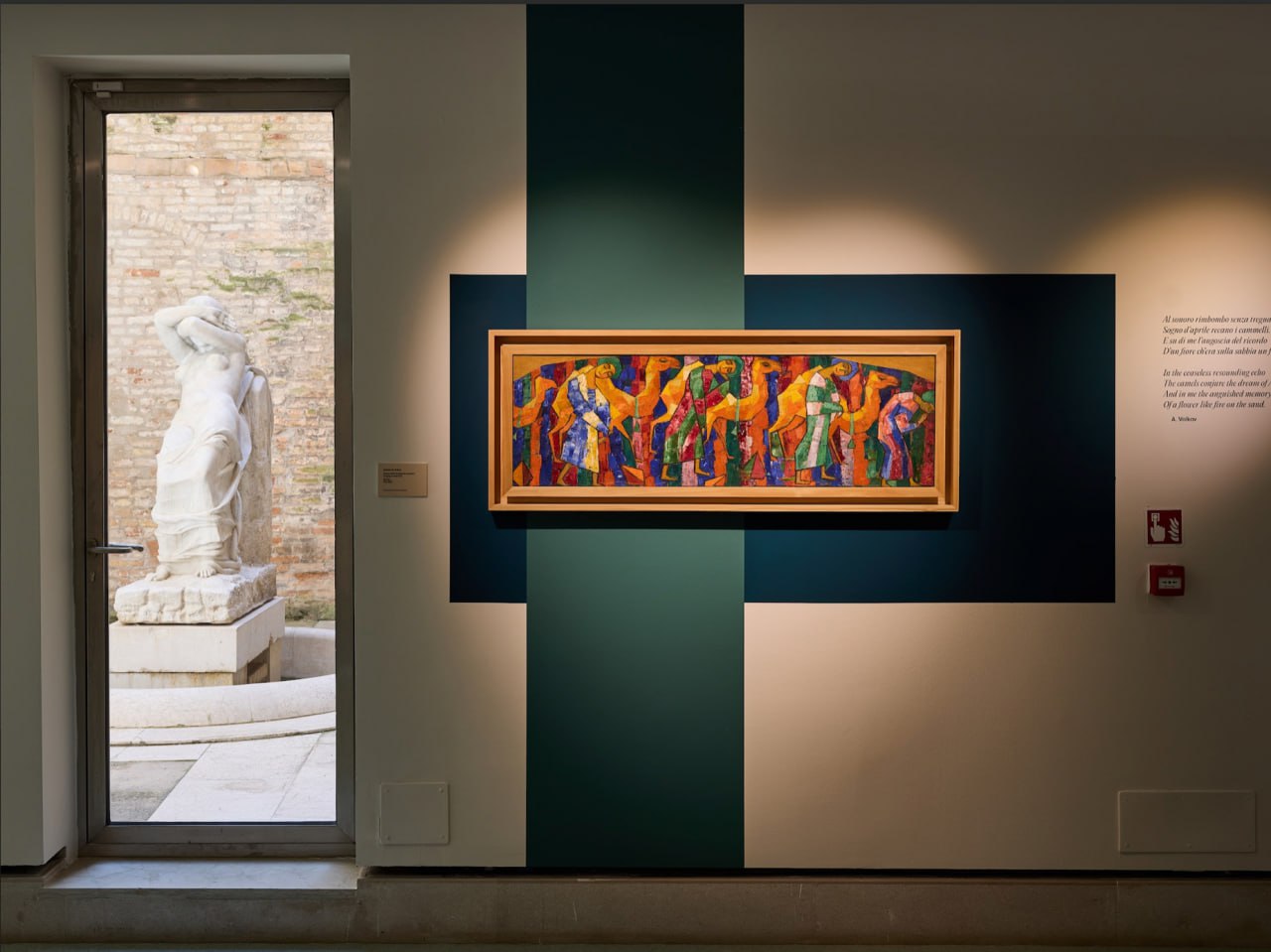
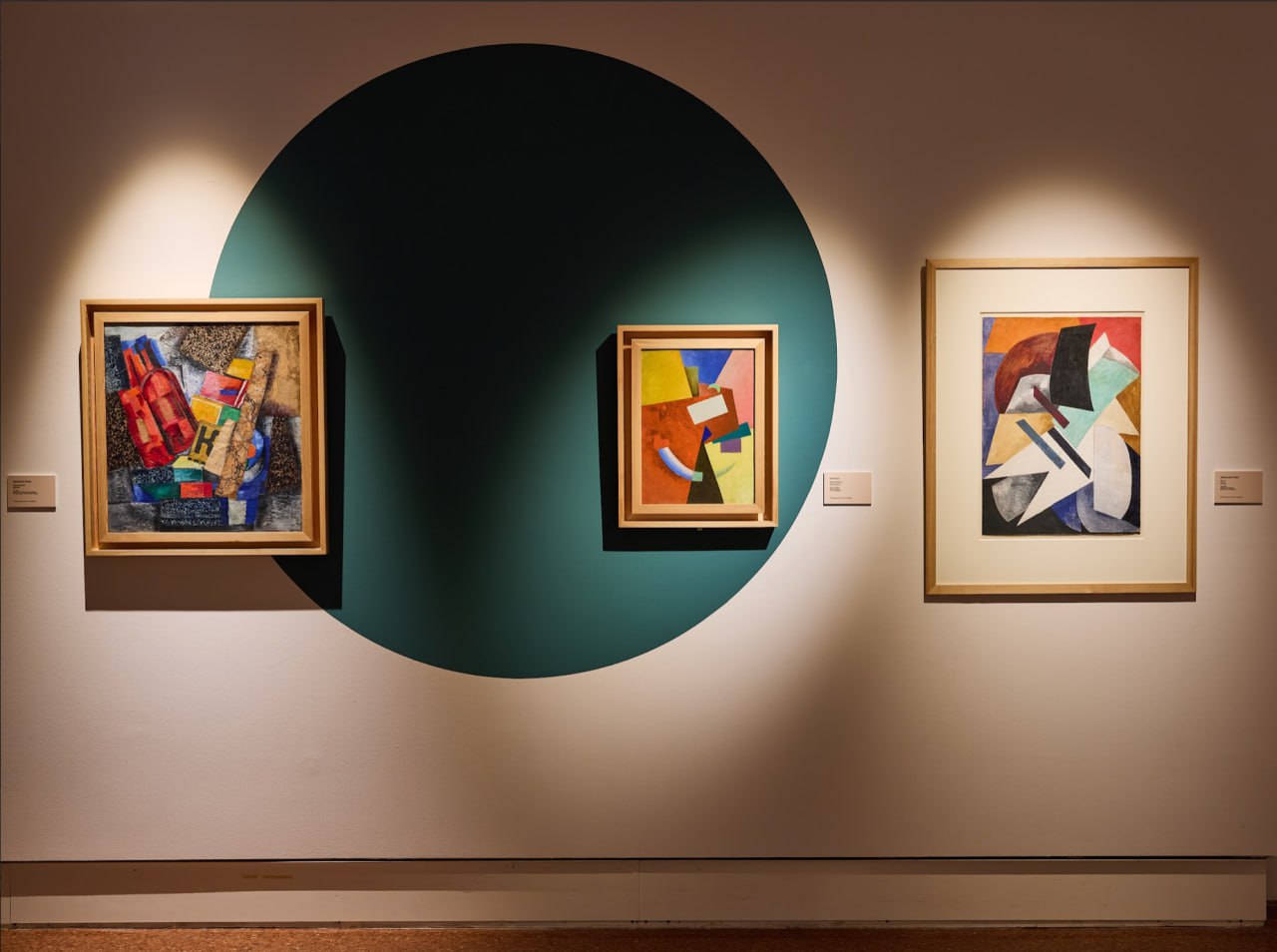
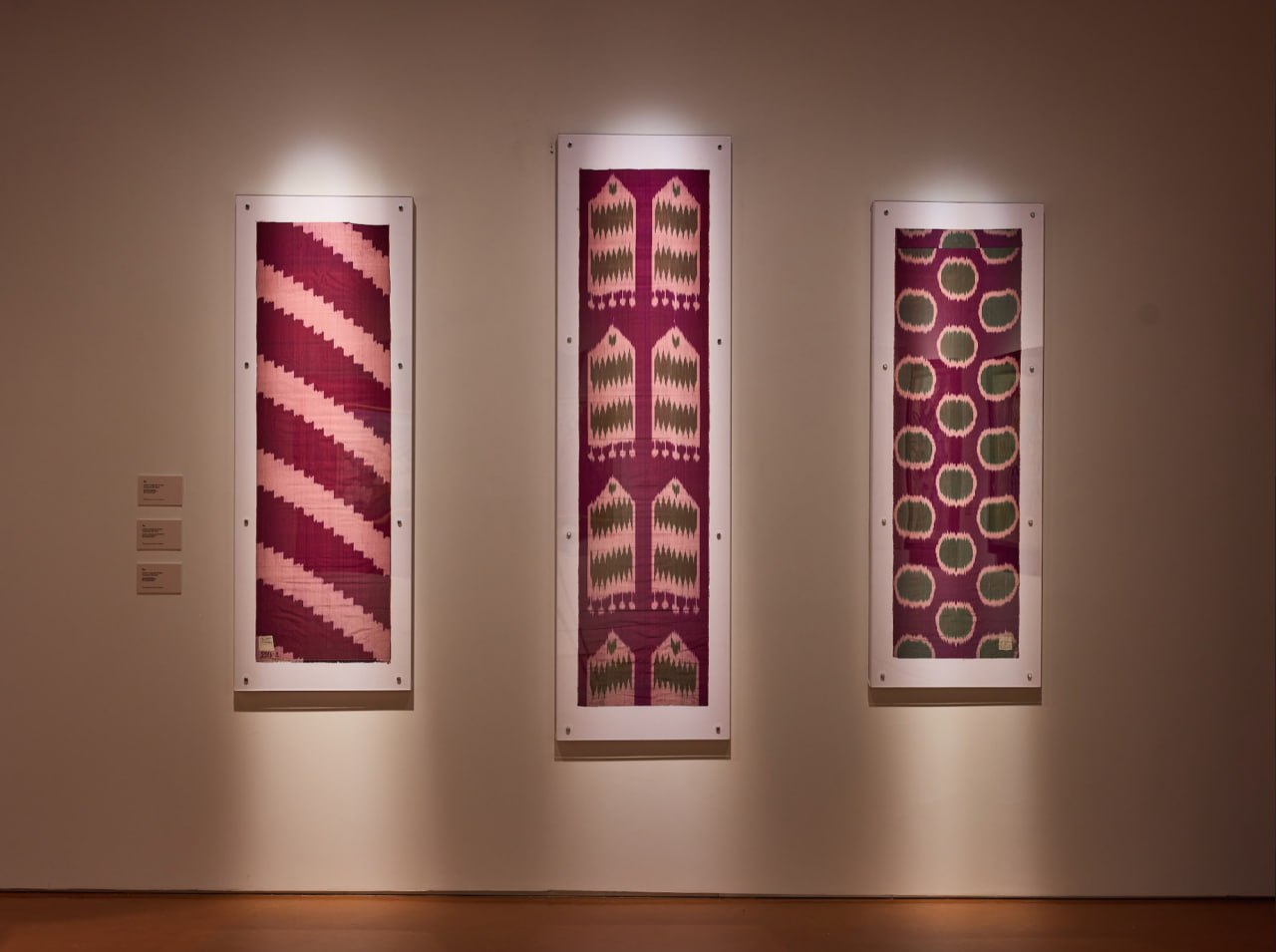
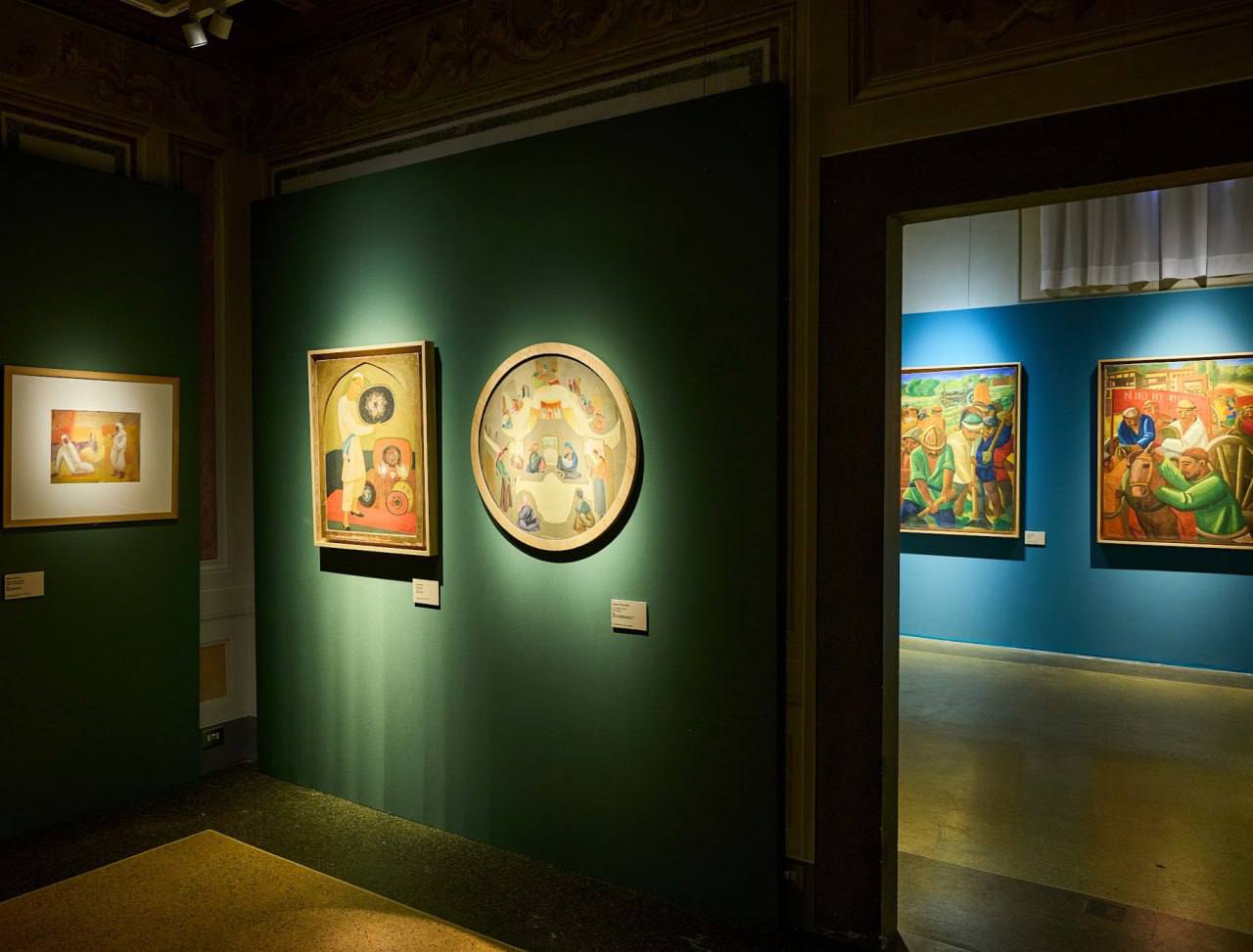
The exhibition brought together works from the collections of the State Museum of Arts of Uzbekistan and the I. V. Savitsky State Museum of Arts of the Republic of Karakalpakstan, many of which were shown abroad for the first time. The project was divided into two thematic sections — “Light and Color” (Florence) and “Form and Symbol” (Venice), each revealing different artistic explorations and aesthetic directions of the early 20th century.
A special place in the exhibition was given to works inspired by the life and culture of Uzbekistan. In particular, Alexander Volkov’s triptych “Cotton” symbolically depicts the key stages of cultivating “white gold” — from growing to harvesting and transportation — highlighting the importance of cotton in the country’s economy and cultural identity.
An important part of the exhibition featured works by prominent representatives of the Russian avant-garde — Lyubov Popova and Vera Pestel. Their 1916 paintings reflect the influence of Suprematism, Futurism, and innovative artistic concepts of the time, which earned them the title “Amazons of the Avant-Garde.”
A true highlight of the exhibition was the rare works of Vasily Lysenko, one of the most enigmatic artists of his time and a student associated with Filonov and Malevich. Only a very limited number of his works have survived, making those presented in the exhibition exceptionally valuable.
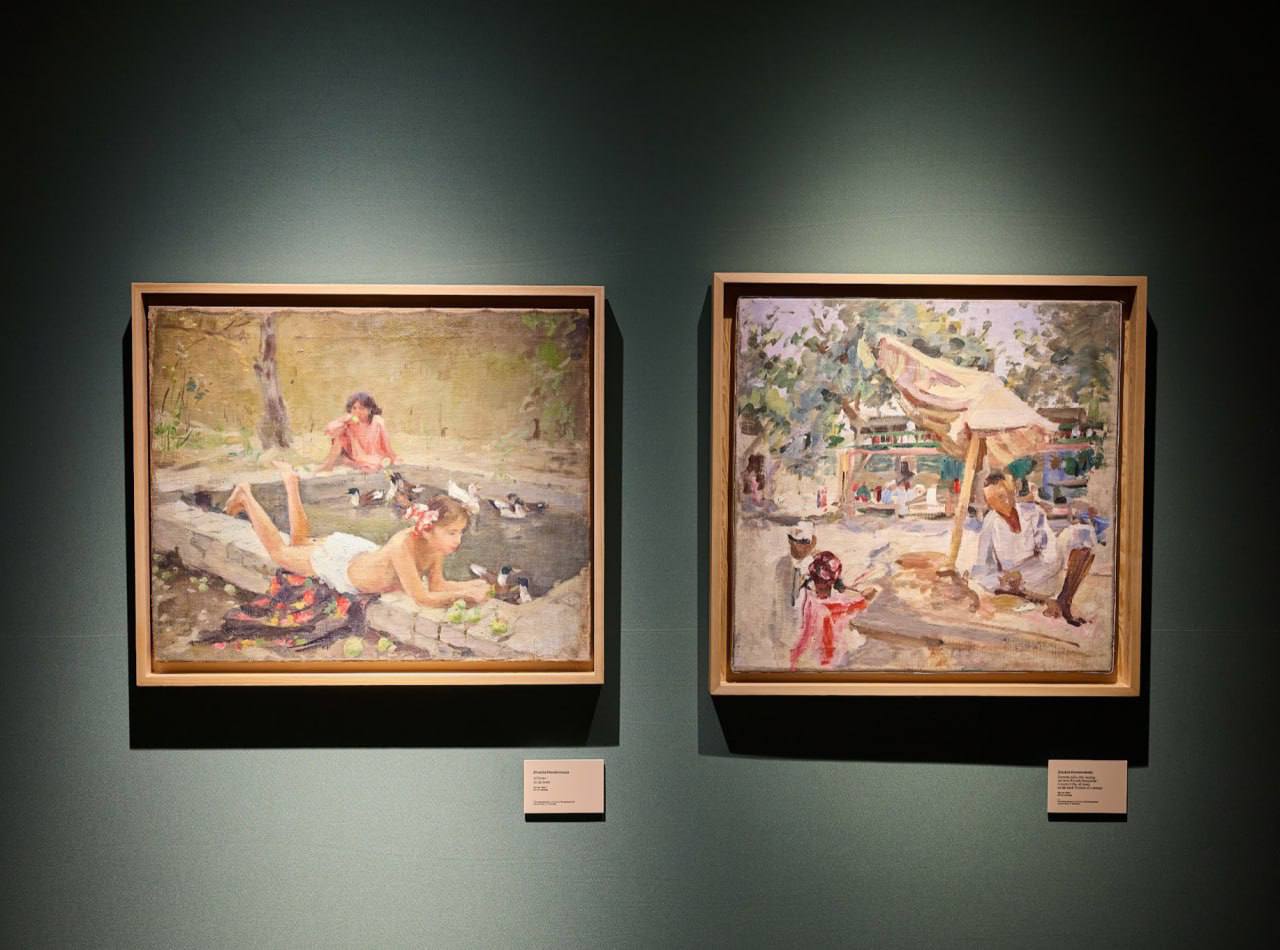
Particular attention was also given to the work of Oganes Tatevosyan, whose life and artistic career became closely connected with Uzbekistan. His painting “Fruit Stall” (1928) vividly captures the atmosphere of an Eastern bazaar, filled with rich colors, light, and vibrant daily life.
The exhibition “Uzbekistan: Avant-Garde in the Desert” became not only a major cultural event but also an important step in promoting Uzbekistan’s unique artistic heritage on the international stage. It offered a new perspective on the phenomenon of the avant-garde in Central Asia and highlighted the exceptional significance of the Savitsky Museum collection as one of the world’s largest repositories of avant-garde art.